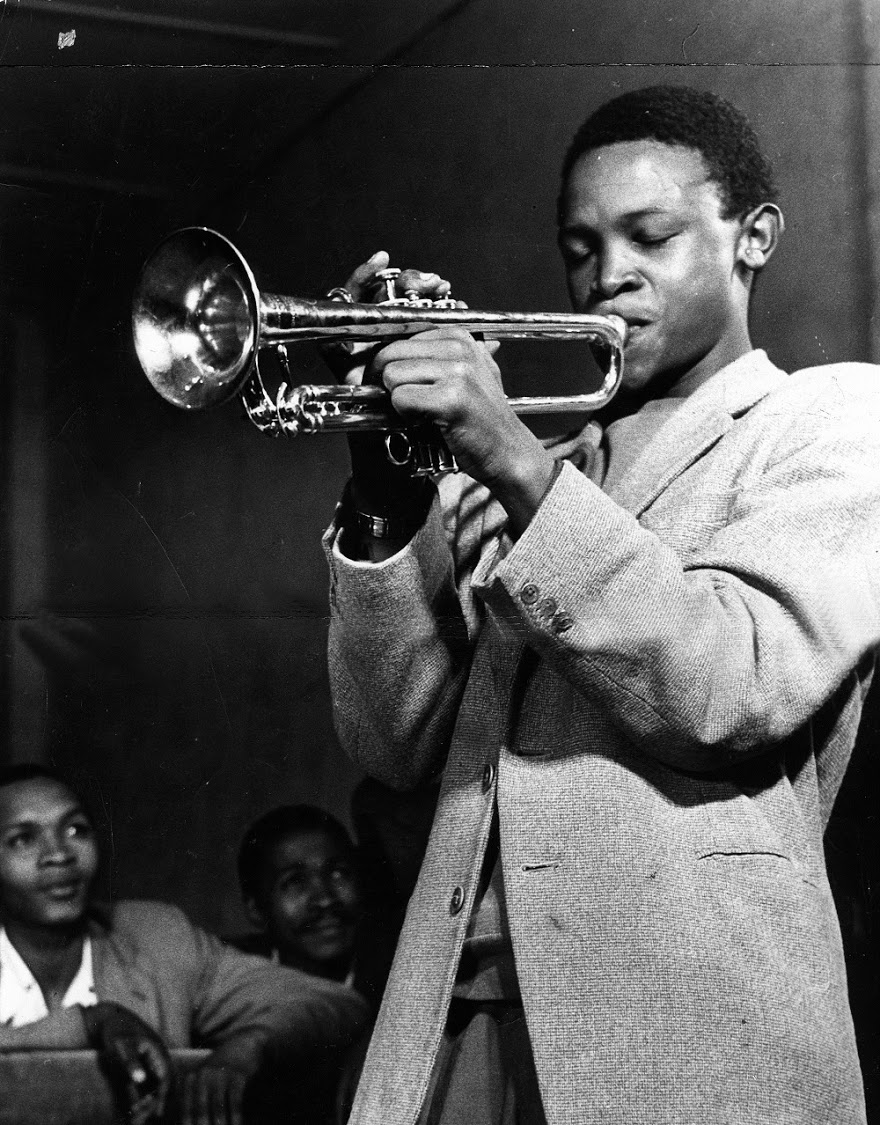
Hugh Masekela playing his Trumpet. Circa 1950’s. © Johncom.
For as long as I can remember, we have been singing. When I say ‘we’ I’m referring to Africans or the Black nation. Our mothers sing when they cook at a gathering/celebration, our fathers sing when they work, we sing when we celebrate graduations, weddings or any achievement, and we sing when we are in pain or when we’re burying our loved ones. Song has always been an important part of our being. We express everything in song and rhythm. This is evident in how our story has been told and how it’s being narrated in our day and age. Music is one of the most important parts of our cultures and it has proven to be an effective way of passing on our heritage and history from generation to generation. Revolution was and still is accompanied by song. We have carried on this tradition of expressing and interpreting moments in song. Think of the songs that residence students sing during events and gatherings, the songs we sing during protests on campus, the songs we sing when one of us graduates – those are all adapted from struggle songs, traditional songs, and most are born spontaneously.
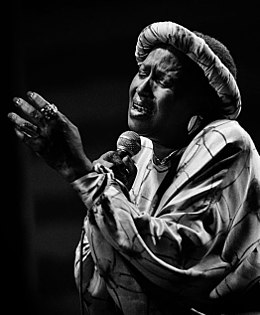
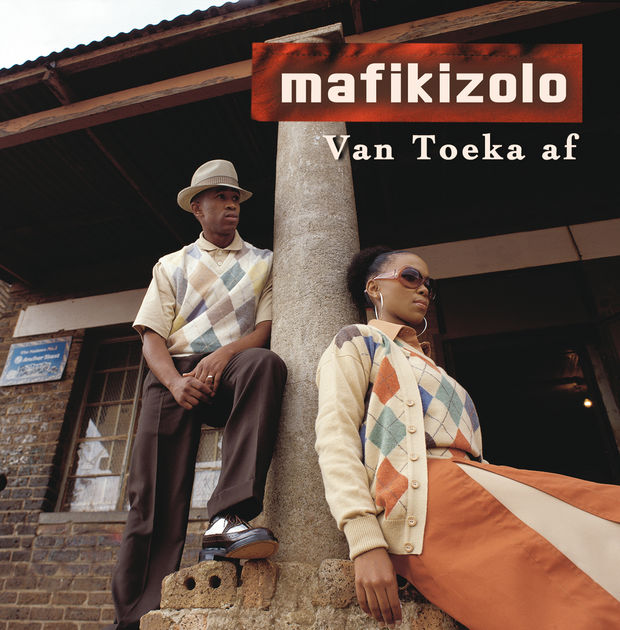
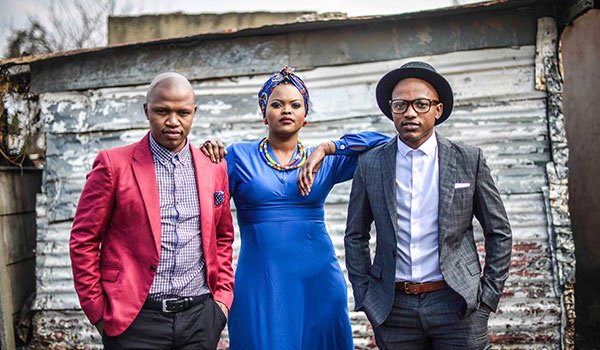
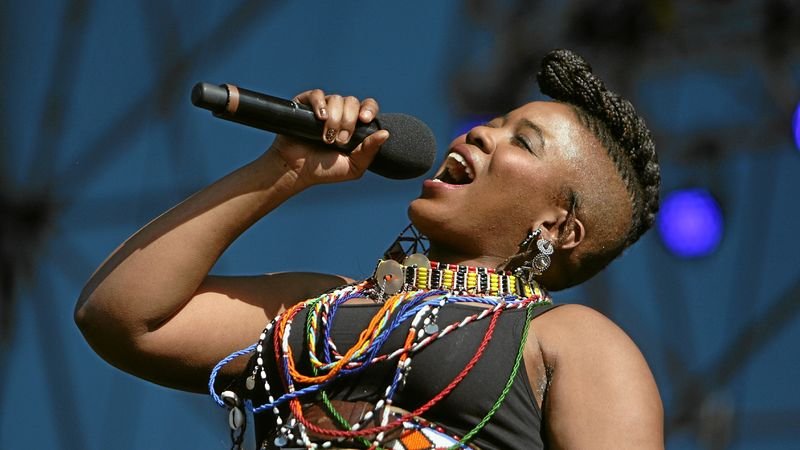
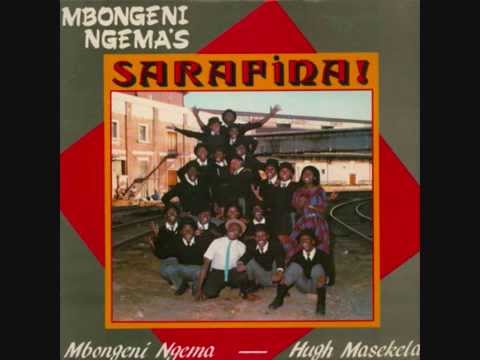
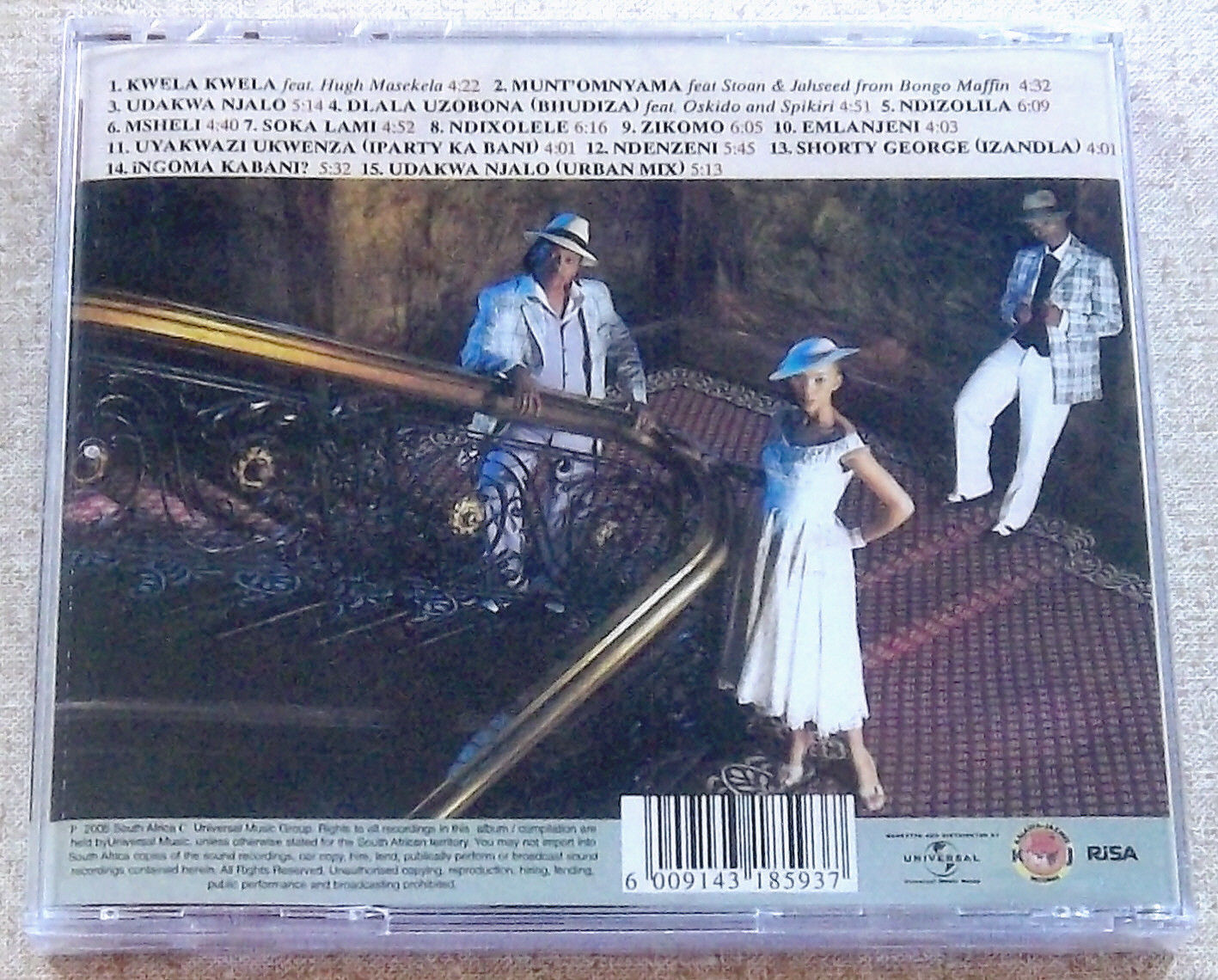
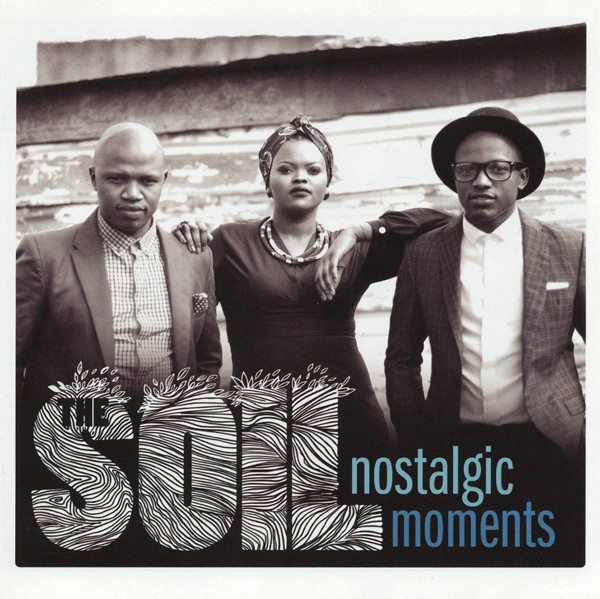
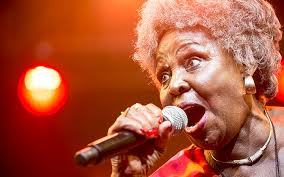
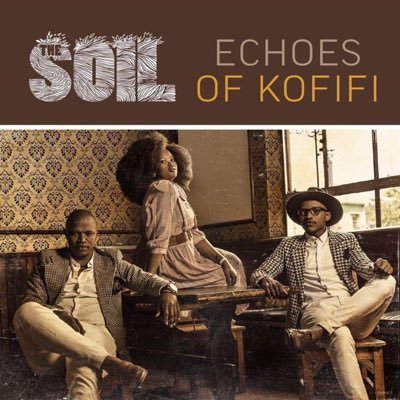
Now, back to Amandla. When I saw Amandla: A revolution in four part harmony I immediately thought of Sophiatown. I’ve always been obsessed with the story of Sophiatown and the rich culture that the place represents. There are countless productions and songs that keep Sophiatown alive and capture the feeling, ambience and life of the place. I relate this to Amandla because the documentary tells the story of the era of Sophiatown and the liberation struggle – it is quite evident that these are all directly related. Trailblazers like Mama Mirriam Makeba, Hugh Masekela, Dorothy Masuku gave way to contemporary artists such as Mafikizolo, The Soil, Thandiswa Mazwai and others. Mama Mirriam Makeba and her generation told stories in their music about their struggle, their pain and their joy and the artists of our time help us look back and reflect on where we come from and they also tell the stories about the issues we face in this day and age. For example, Thandiswa and The soil have both written songs on the FeesMustFall movement. Notice how that is similar to the way the legends documented the apartheid struggle… The Soil’s latest two albums: Nostalgic Moments and Echoes of Kofifi pay tribute to Sophiatown. Also, we cannot forget productions like Sfaraina and Umoja. Our history can never be lost with music and one has the opportunity to not only learn about it but also feel the emotions that accompanied that time. I was not there in Sophiatown when our grandparents were living their best life but whenever I listen to their songs I am transported there and I can almost share their experience as a lot of these artists really managed to capture the spirit and life of Sophiatown. Music has that power. It can capture feelings, emotions, and experiences. That is the power of song.
Here is a playlist I compiled in response to Amandla: A Revolution in Four Part Harmony
- The soil – Uhuru
- Mirriam Makeba – Hapo Zamani
- Thandiswa Mazwai – Jikijela
- Thandiswa Mazwai – Nizalwa ngobani?
- The soil – Susan
- The soil – Kofifi
- Mafikizolo – Sebenza ft. Dorothy Masuku
- Mafikizolo – Kwela Kwela ft.
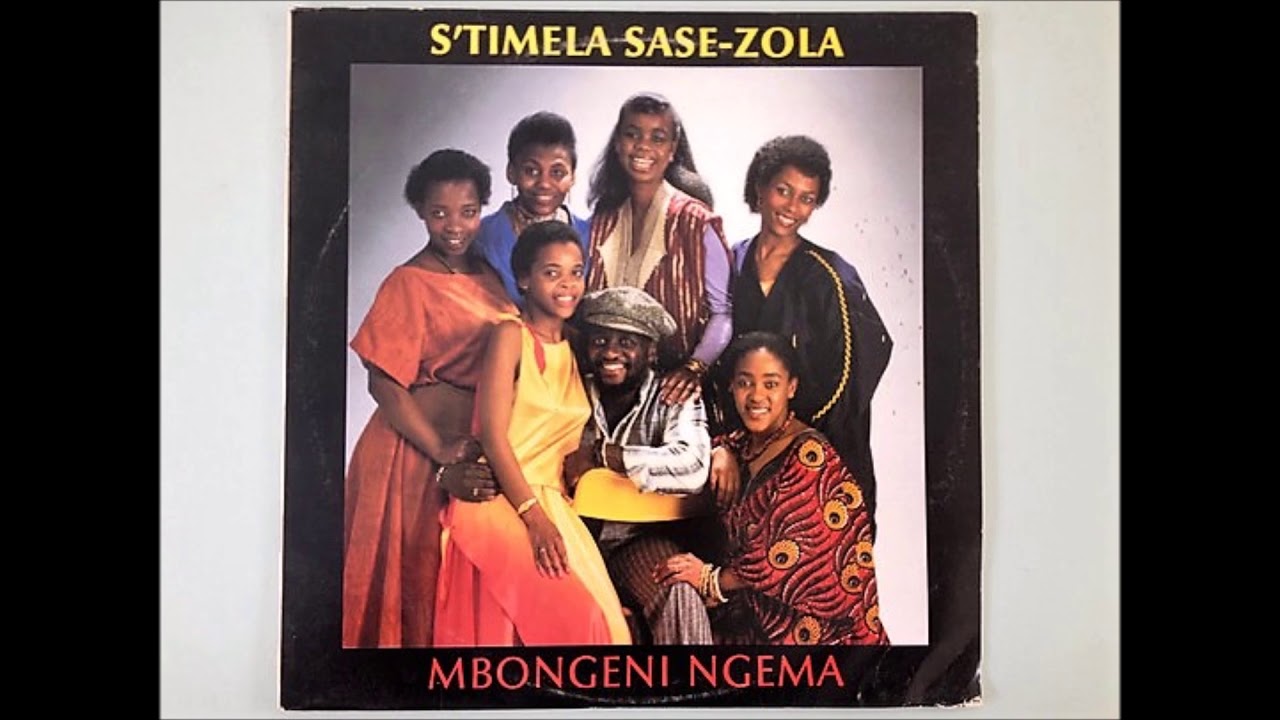
- Mbongeni Ngema – Stimela sase-Zola
- Mbongeni Ngema – Lizobuya

 ANTH3008A - Wits Anthropology: Expression, Representation, Practice