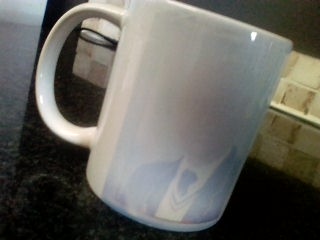
Object 1 (Contemporary): Mug with my matric school photo on the front and the year 2014.
Exif_JPEG_420 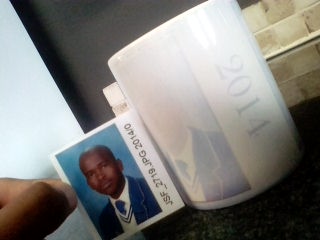
Exif_JPEG_420
The mug shown in the image above is more than 4 years old at the moment. I got this towards the end of my matric year (2014). It has my matric school photo because what they did at our school is they would offer a number of packages that you could choose from to go with your school photos. I, evidently, chose the coffee mug – simply because I love sipping on a good cup of tea. I cannot go a day without at least two cups. And this is what makes the cup both cotemporary and ritual object (but for the scope of the assignment I made it a contemporary object). Anyway, I chose the mug because I felt that I needed a sort of souvenir or memorabilia for my matric year that would be a part of my everyday life in the future. And the mug is exactly that. It means a lot to me because when I finished my matric I also made a promise to myself that I would keep the mug safe (because my house is like a war zone, nothing is safe with my nephew around) and I would drink from it from the first day I arrive at res and going forward should I get accepted at Wits. Now, I obviously got in and I kept to my promise, I drank to celebrate and I’ve been drinking my tea from it since first year – which is why at this point you can’t even see my face clearly. This is also why it qualifies as both ritual and contemporary, because not only do I use it currently but it also has ritualistic purpose and meaning.
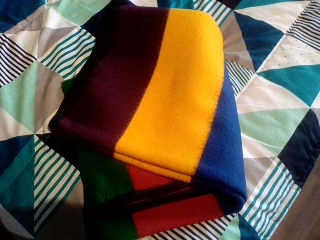
Object 2 (Historical): Umbhalo – Ndebele traditional blanket.
Exif_JPEG_420 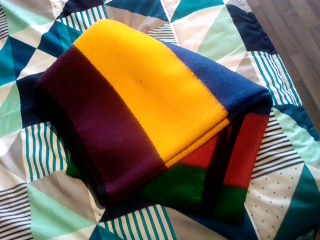
Exif_JPEG_420
Umbhalo, which is the traditional Ndebele blanket is used for a variety of traditional ceremonies and rituals in the Southern Ndebele culture, some of which include the male and female initiation ceremonies, weddings, etc. Besides these functions it is also a very thick, warm, and comfy blanket that can be used daily for warmth and sleeping. The story behind my blanket is as follows; Most Ndebele families will usually pass on the blankets from one generation to the next if the parents underwent the traditional rites of initiation. Even if it’s not passed on, your parents have to be the ones to buy you your blanket when you go through your initiation or even when you don’t and you just want to own the blanket. Now, when my dad was in his late teens his dad, my grandfather, bought him the blanket so he could go to the mountain/initiation school. My dad refused to go and ran away from home. So he never went through traditional initiation and opted for medical circumcision. When I was about 10 years old he bought me my own blanket (the one seen in the image above). He wasn’t doing this for the purposes of initiation but merely to pass on the traditional as his dad also bought it for him. Now that my dad has passed on I cherish this piece of my family’s history more than ever. I carry it with me wherever I move to. The blanket is well known by the general public for its vibrant and bright colours and as a symbol of Ndebele culture.
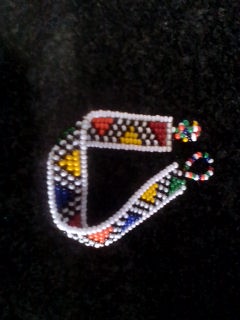
Object 3 (Ritual): Traditional Ndebele bracelet made of beads.
Exif_JPEG_420 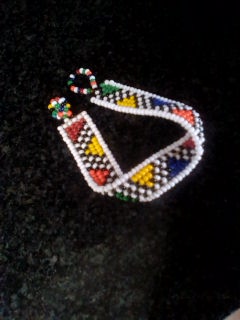
Exif_JPEG_420
This bracelet was made for me by my grandmother when I went to visit her 2 years ago. She used to sell these and other beadwork and she made this one specially for me. She has passed on now and I keep this to remind me of her and feel closer to her. As can be seen it has beautiful Ndebele colours and patterns, and I love that about it, which is the second reason why I keep it – as a symbol of cultural pride. I really treasure this piece, so I only wear it when I’m going out or on special occasions.

 ANTH3008A - Wits Anthropology: Expression, Representation, Practice
I don’t really know why, but when I saw your objects I just thought of fashion especially looking at the blanket and the bracelet. It may be because the blanket and the bracelet are now simply used for fashion purposes, unlike what they were used for before as you explained. I once lived in a place which had many Ndebele people, Davel which is currently known as KwaDela in Mpumalanga, and one the things I used to notice about them was that they were very fond of their culture and traditions. I remember when MaMthombeni was preparing for her daughter’s initiation ceremony and how she took pride in that process and also brought her daughter this type of blanket. But what is interesting is that when I googled the blanket, most of the responses associated it to being used by married Ndebele women who wear it during traditional ceremonies. This is interesting because coming from the Johannesburg Art Gallery today and hearing issues that were raised concerning the real meanings of the artefacts in their museum reminded me of this blog entry. The response that we received when these objects are concerned is there is no real truth as to what they really mean or what they were using them for.
It has also come to my attention, while googling the blanket and the bracelet, that they are now considered to be fashion wear more than the traditional sense that you associate them with. For instance, I came across a blog that spoke about how these garments are now simply seen as money-generating things, which I believe makes them lose their traditional or cultural importance and significance. The writer of the blog interviewed a certain woman who made these bracelets and traditional clothes, specifically the Ndebele traditional clothes, and she expressed how she has fear that the knowledge and significance of these things will perish once they (old) people die because the youngsters will not know the history behind these clothes. She also expressed that she has the skills to make traditional clothing and has knowledge of meaning each item has but emphasized that the messages held by the clothing are lost in translation. She said this was because of the changing fashion, social changes and changes brought by migrant labour moving from the rural areas into the cities. She also mentioned what I think is very valuable when trying to consider the change in which these traditional clothing now attains, which is economic survival. Everyone needs money to survive, as you also said your grandmother used to sell the bracelets.
I then asked myself if there is room for change in the messages that indigenous attires carry. Is the meaning behind the clothing still important or is the fact that we still wear it enough? Is it possible that we will celebrate indigenous beauties without understanding the depth of the history these carry? Who knows?
The cup reminded me briefly about the readings that were focused on photography and how it changes everything. For me it may simply be just a cup with a picture on it but for you it holds great value because you have associated it to a certain memory that you will keep for years to come. If it happens that it breaks, because you said your house is a war zone lol, you may buy another cup and have the same picture on it but it will not have the same value that the previous cup had to you. This is very much similar to the recapturing of pictures that were maybe lost or damaged because they don’t hold as much significance as the original picture. Your views on the objects were very much interesting!
LikeLike
I don’t really know why, but when I saw your objects I just thought of fashion especially looking at the blanket and the bracelet. It may be because the blanket and the bracelet are now simply used for fashion purposes, unlike what they were used for before as you explained. I once lived in a place which had many Ndebele people, Davel which is currently known as KwaDela in Mpumalanga, and one the things I used to notice about them was that they were very fond of their culture and traditions. I remember when MaMthombeni was preparing for her daughter’s initiation ceremony and how she took pride in that process and also brought her daughter this type of blanket. But what is interesting is that when I googled the blanket, most of the responses associated it to being used by married Ndebele women who wear it during traditional ceremonies. This is interesting because coming from the Johannesburg Art Gallery today and hearing issues that were raised concerning the real meanings of the artefacts in their museum reminded me of this blog entry. The response that we received when these objects are concerned is there is no real truth as to what they really mean or what they were using them for.
It has also come to my attention, while googling the blanket and the bracelet, that they are now considered to be fashion wear more than the traditional sense that you associate them with. For instance, I came across a blog that spoke about how these garments are now simply seen as money-generating things, which I believe makes them lose their traditional or cultural importance and significance. The writer of the blog interviewed a certain woman who made these bracelets and traditional clothes, specifically the Ndebele traditional clothes, and she expressed how she has fear that the knowledge and significance of these things will perish once they (old) people die because the youngsters will not know the history behind these clothes. She also expressed that she has the skills to make traditional clothing and has knowledge of meaning each item has but emphasized that the messages held by the clothing are lost in translation. She said this was because of the changing fashion, social changes and changes brought by migrant labour moving from the rural areas into the cities. She also mentioned what I think is very valuable when trying to consider the change in which these traditional clothing now attains, which is economic survival. Everyone needs money to survive, as you also said your grandmother used to sell the bracelets.
I then asked myself if there is room for change in the messages that indigenous attires carry. Is the meaning behind the clothing still important or is the fact that we still wear it enough? Is it possible that we will celebrate indigenous beauties without understanding the depth of the history these carry? Who knows?
The cup reminded me briefly about the readings that were focused on photography and how it changes everything. For me it may simply be just a cup with a picture on it but for you it holds great value because you have associated it to a certain memory that you will keep for years to come. If it happens that it breaks, because you said your house is a war zone lol, you may buy another cup and have the same picture on it but it will not have the same value that the previous cup had to you. This is very much similar to the recapturing of pictures that were maybe lost or damaged because they don’t hold as much significance as the original picture. Your views on the objects were very much interesting!
LikeLike
While reading your post I had great appreciation for all your personal objects, I thought this approach was really creative and informing. I related to your contemporary object because I also one use my favorite mug to drink my coffee and tea out of on a daily basis. My cultural knowledge and understanding on Ndebele tradition is quite limited, so seeing these personal images of the blankets and bracelets and reading your background information has given much insight on the sentiments of Ndebele culture. I must say, I was intrigued by the colors and patterns used on both the blankets and bracelets – for this reason I am blown away by the amount of patience and creativity your granny had in hand-crafting these beautiful bracelets. I am sure your dad would be really proud looking down on you, seeing how you gracefully carry on your family legacy and also by keeping his name held high.
LikeLike